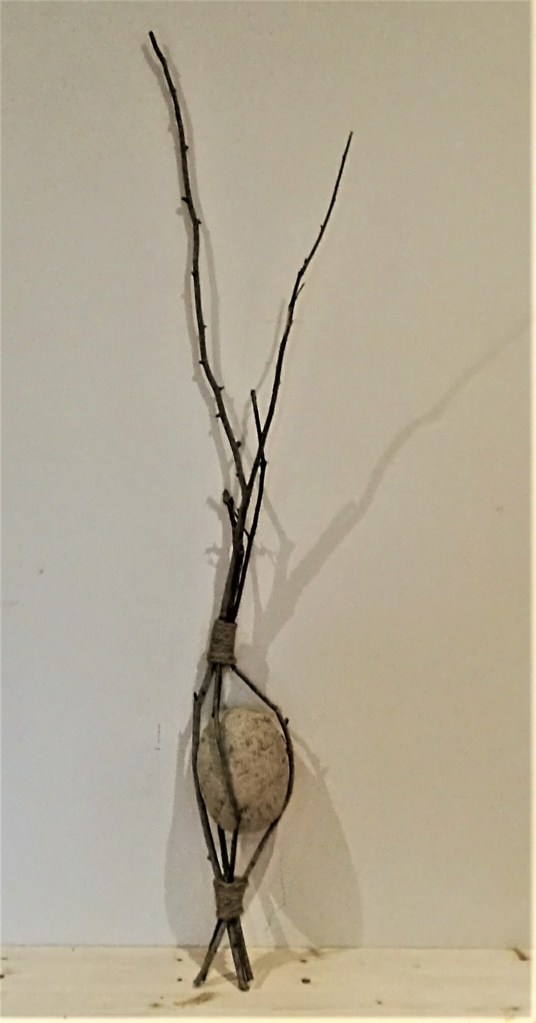
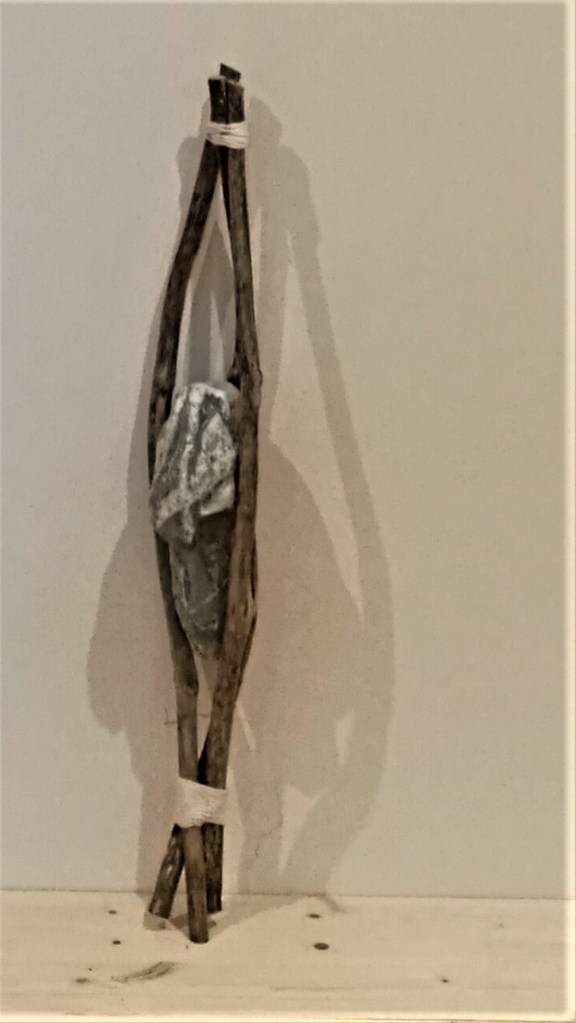
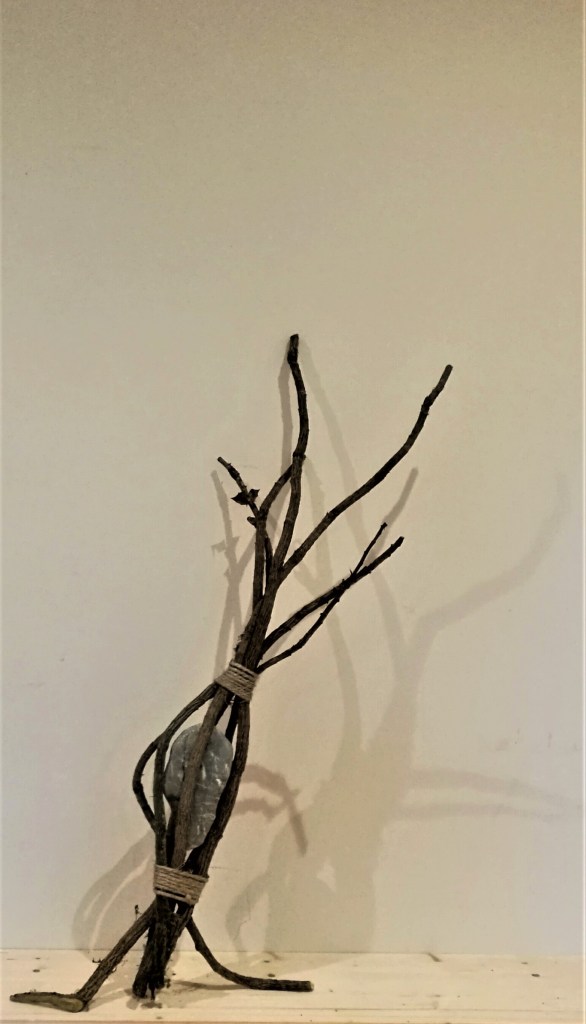
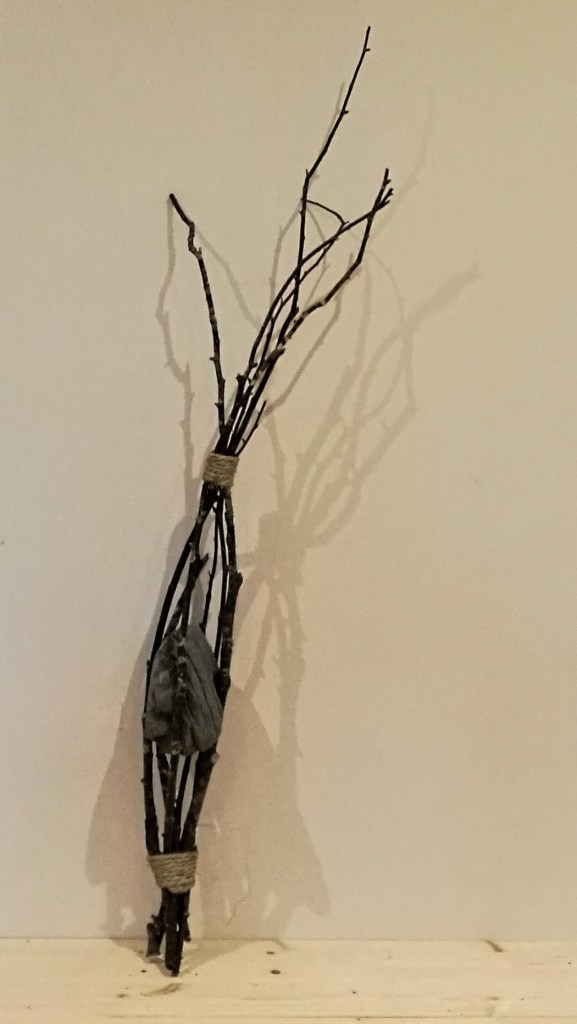
having temporarily decanted from a leaking studio, the opportunity arose to photograph the fifteen sculptures in the killick project, so here they are in the dry…






I have grown to like the blue dot and yet…
so, I wrote to the Cornwall Astronomy Society
and someone kindly replied: “My guess would be an internal reflection of the sun back onto your lens from the sensor…”
They also cleverly removed the blue dot and yet I have grown to like it…
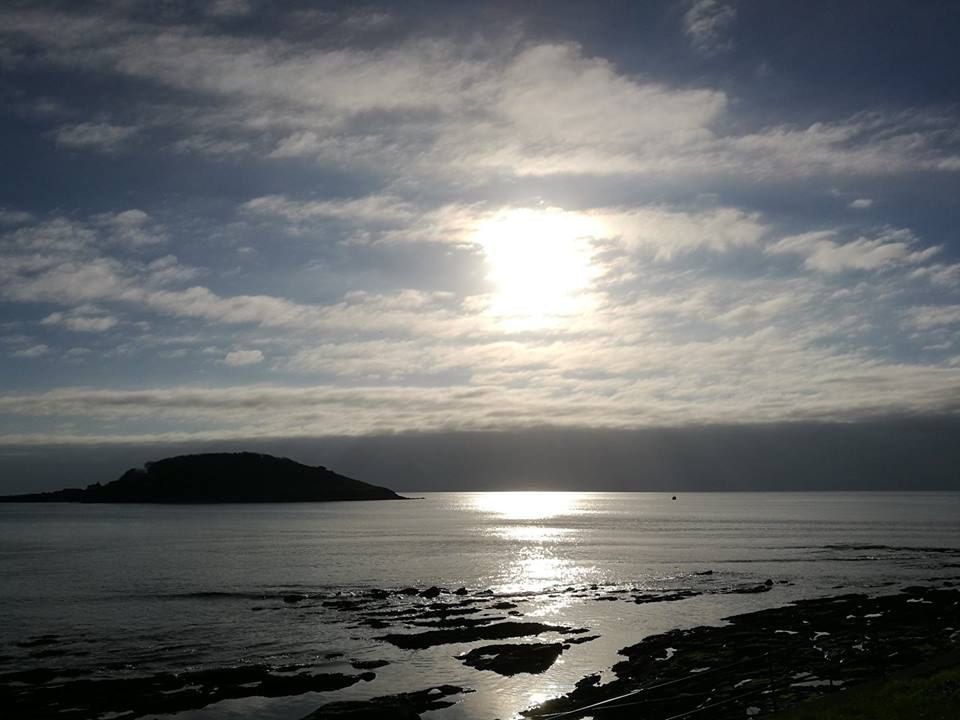
pale blue dot
while waiting for the leak to the studio roof to get repaired, I took a trip to the coast near Looe in Cornwall and photographed this seascape. I cannot account for the pale blue dot; the photo has not been edited in any way…


Thank you and best wishes for 2019
sculpture
returning to work on the wood and stone (killick) project, after a leak in the studio roof… new work includes more sculpture and a poetry pamphlet – trying to decide whether to include images of the objects in the publication(?)


philipbennetta.com
very pleased to have a dedicated site for artwork, research and poetry, together with a page for our small press publishing. Hope you like the new look of the site. Thanks for viewing
community of poets & artists Press
Community of Poets & Artists Press
A small not-for-profit press, co-edited by artists Susan and Philip Bennetta, publishing their own work and the work of new and established voices, since 1994. Imprints include Pamphlet Poets and Poems by Post together with artists’ books and collections.
~ please see the ARTISTSPRESS page for further details ~

printmaking
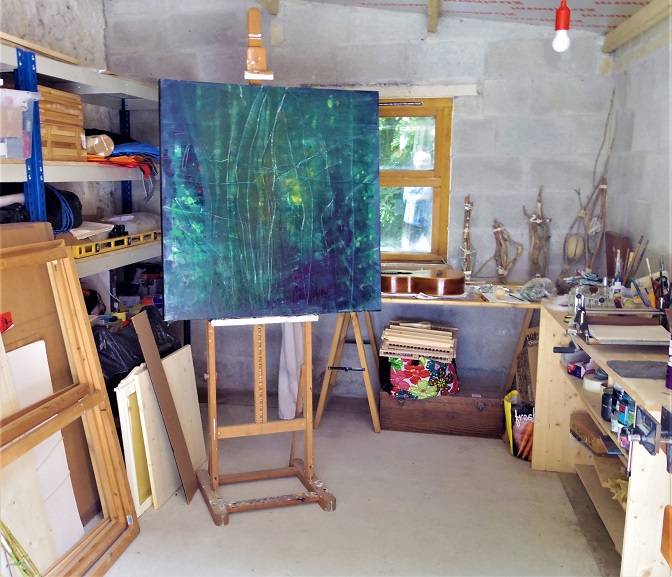
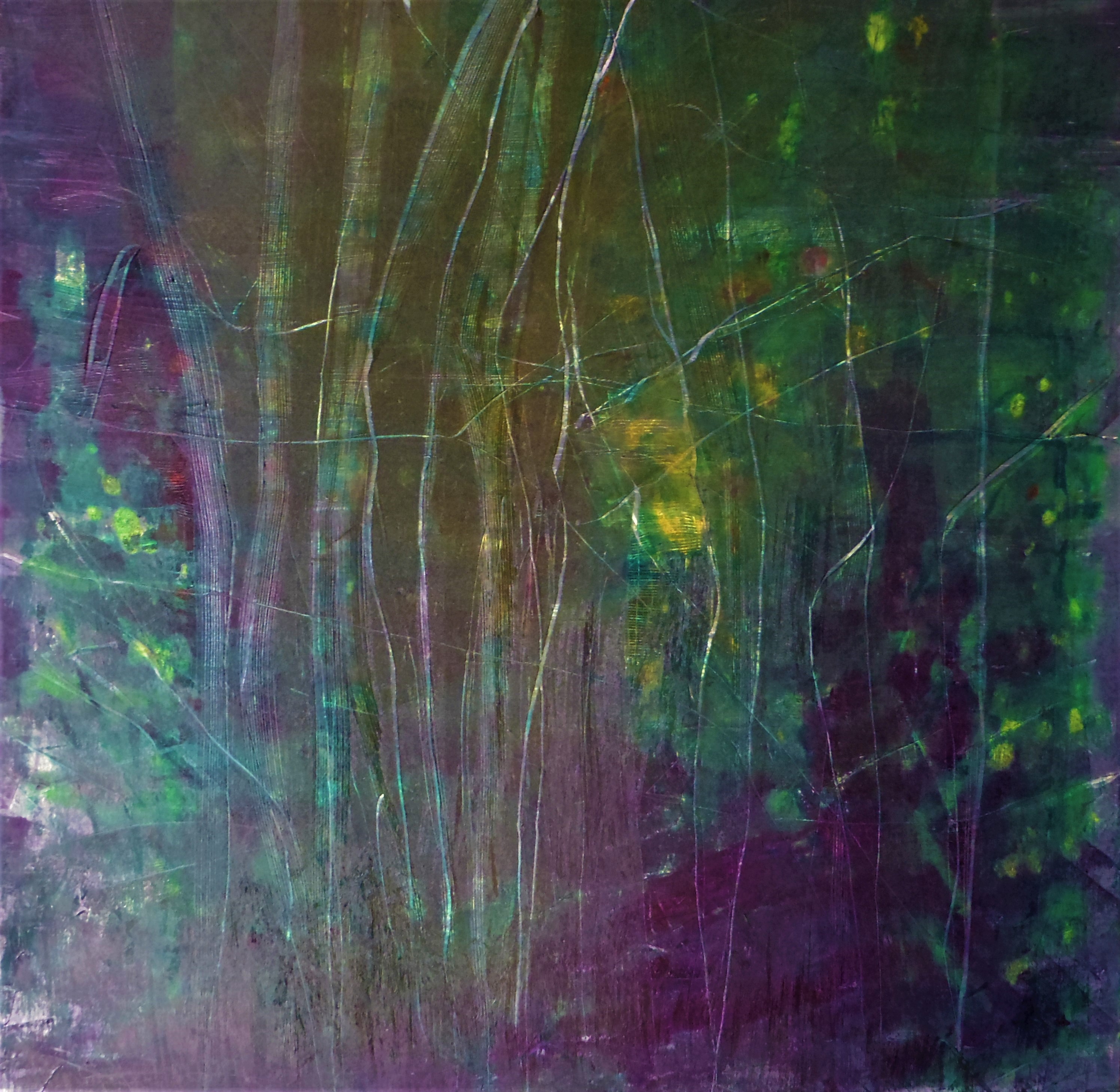
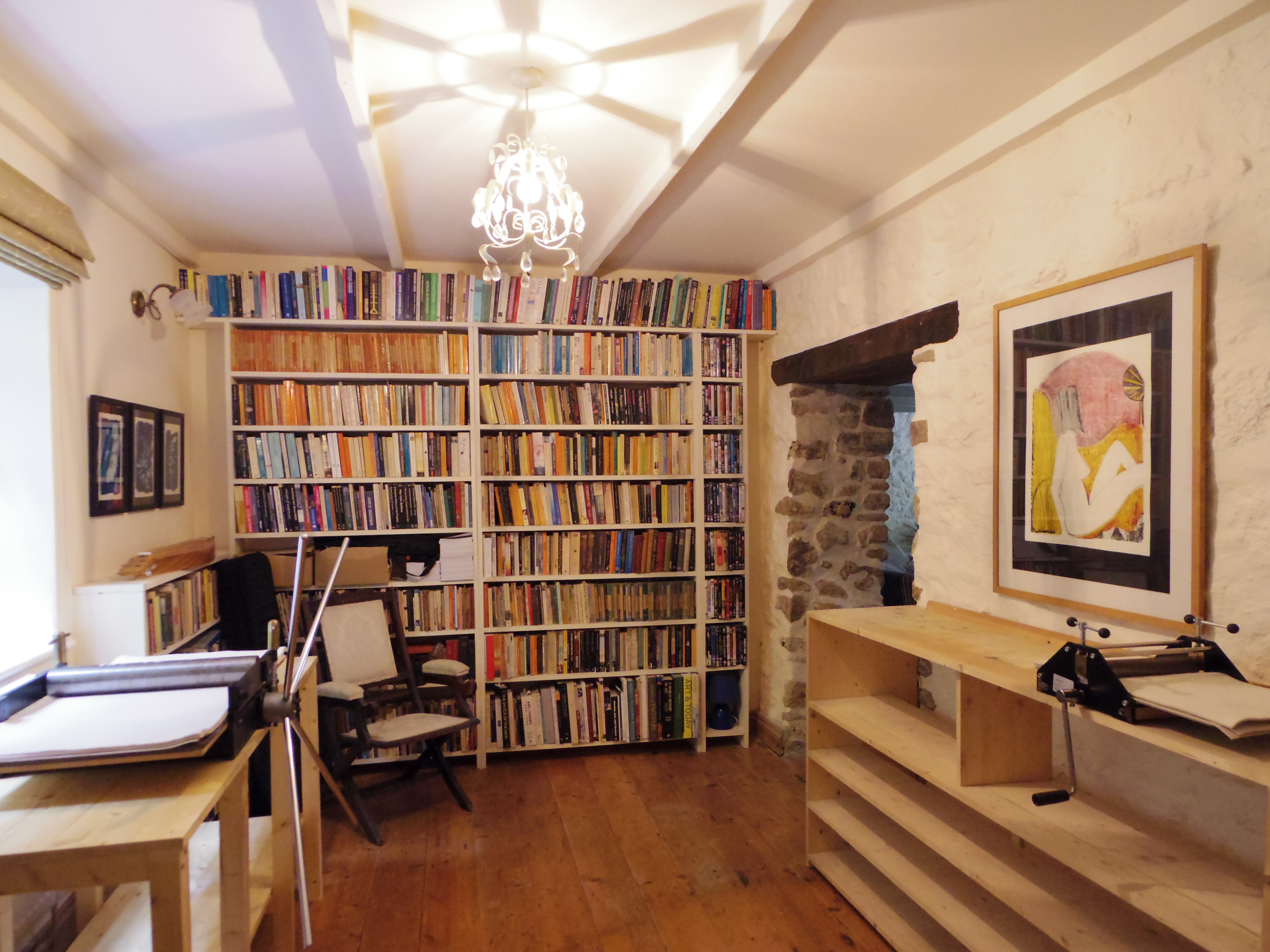
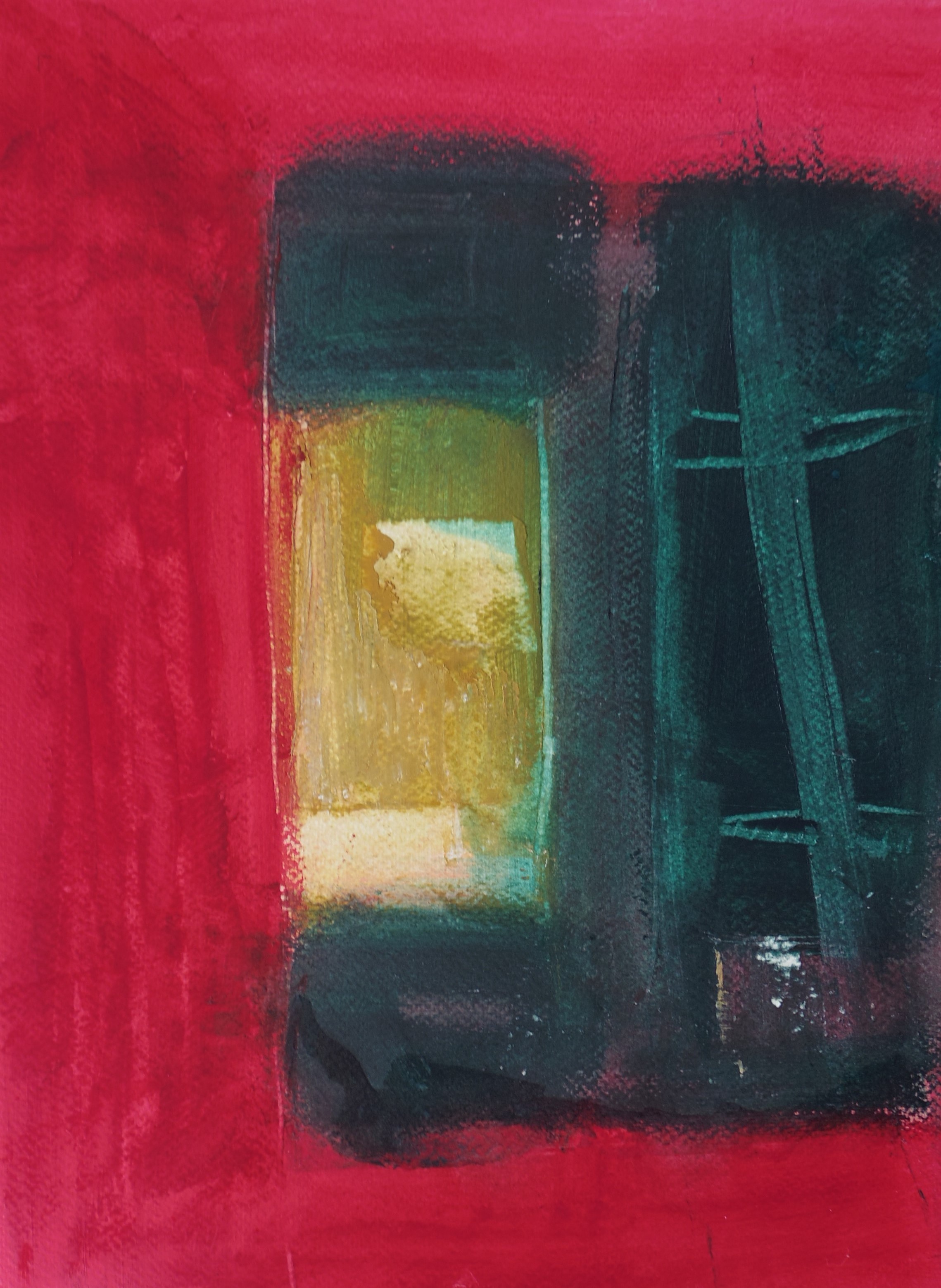
New studio and print room now up an running, with recent work, including paintings and printmaking. I have included a photo of my first print from the press and the original plate (carborundum and pva)


studio and recent work
Settling into life on Bodmin moor and getting into the project spaces, with some recent work to show:
making light work, 2018
Making Light Work, 2018 St Anthony Head, Roseland, Cornwall
We carry rucksacks, bring something of ourselves, and make artwork, short films and written material, during and following our time in these special places.
The Lighthouse came into operation in 1835 and switched from Argon Lamps to Paraffin and then to electricity in 1954. We decided to respond to the site by making artwork from sunlight, using a printmaking/early-photographic cyanotype process. [Please see Background Notes, below, for more information about Cyanotypes]
We considered a range of objects from which to print and wanted them to be relevant to the St Anthony Head site. As St Anthony was patron saint of lost objects and miracles, among other things, we agreed to make our prints from found objects, principally flora and detritus from cliff and shore. Here are details of the nineteen cyanotypes we made on site during the 2018 residency.


Background notes:
John Herschel (1792-1871) discovered the actual process of making cyanotypes in 1842. His work influenced the botanist and photographer Anna Atkins (1799-1871) who used the cyanotype process to illustrate books on ferns, flowers and algae from 1843 onwards. In 1839, she became a member of the Botanical Society in London, one of the few scientific societies that were open to women.
A cyanotype is made by placing the object to be printed on paper treated with ferric ammonium citrate and potassium ferricyanide and exposing it to sunlight. The paper is then washed in water, leading to the uncovered areas turning vivid blue.
Susan & Philip Bennetta – artists working as volunteers at National trust sites around the main headlands of Cornwall. This is their second year at the Former Paraffin Store, St Anthony Head; other sites include the Net Loft, Polperro and The Watch House, Dodman Point and previous collaborations range from an installation in an Allotment Shed, to a year-long project on the White Cliffs of Dover. They live and work on Bodmin Moor and will be part of Open Studios, Cornwall, 2019.
A short film, Bluebells at St Anthony, together with unique cyanotypes produced during the residency and a hand-sewn poetry pamphlet, by the same title, mark some of the outcomes from this joint research-based residency. Here is the link to the film:
https://youtu.be/X_4IDtnokX4 Bluebells at St Anthony.
[thanks to the Ranger Team at the South Cornwall National Trust, past and present, for supporting this arts residency at Former Paraffin Store for Lighthouse, St Anthony Head]
 philip bennetta